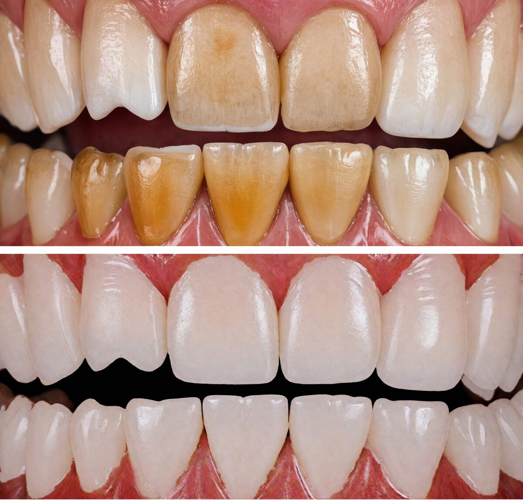


Bonding
Big changes with small touches.

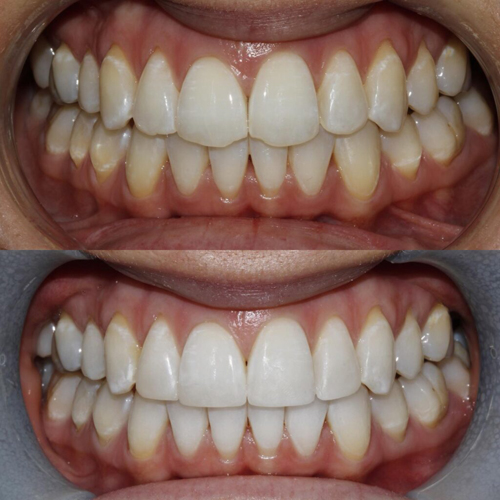
With the bonding method, chips, cracks, gaps, or shape irregularities in your teeth can be aesthetically corrected in a single session. Natural-looking composite fillings refresh your smile quickly, providing both a fast and cost-effective solution.

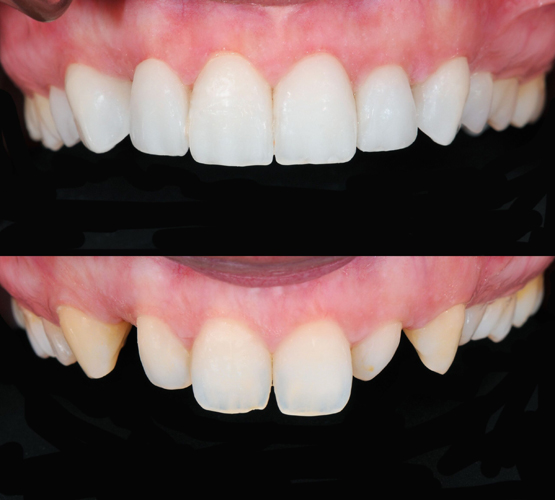
What is Bonding?
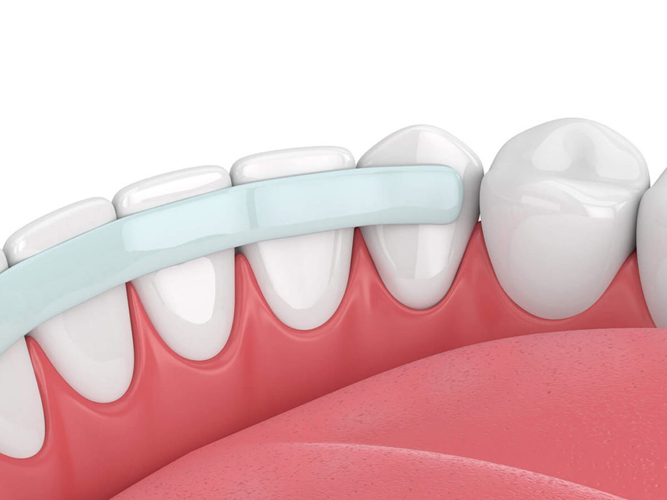
Bonding is an aesthetic procedure in which tooth-colored composite filling material is applied to the surface of the teeth. Its purpose is to cover minor imperfections, creating a more attractive smile. The procedure involves minimal intervention to the tooth, preserving the natural tissue.
When is Bonding Preferred?
- To close small gaps between teeth
- To repair chipped or cracked teeth
- To correct discoloration
- To lengthen the teeth
- To correct minor misalignments
Bonding is generally preferred to address aesthetic imperfections in the front teeth.
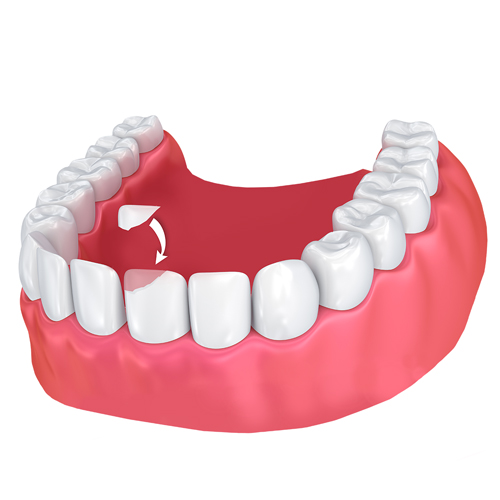
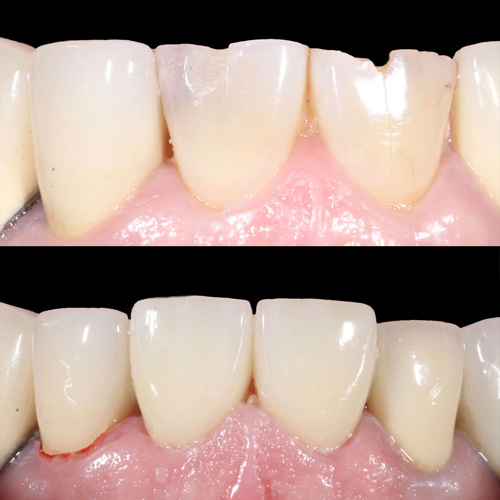
How is a Bonding Procedure Performed?
- The tooth surface is roughened using a special gel.
- A composite material matching the tooth color is selected.
- The composite is applied to the tooth in layers.
- It is hardened with a special light.
- Shaping and polishing give the tooth a natural appearance.
The entire procedure usually takes 30–60 minutes and is often completed in a single session.
Advantages of Bonding
- Fast results: Achieve an aesthetic appearance in a single session.
- Cost-effective: More affordable compared to veneers or crowns.
- Natural appearance: Material matches your tooth color.
- Painless: Usually does not require anesthesia.
- Tooth-friendly: Applied with minimal intervention to the tooth.
How Long Does Bonding Last?
Bonding applications can last an average of 5–7 years with proper care.
- Avoid biting very hard foods
- Brush your teeth regularly
- Visit your dentist for check-ups every six months to extend the longevity of bonding
Who is Bonding Not Suitable For?
- Teeth with very large cavities
- Teeth with extensive structural defects
- Individuals with severe teeth grinding habits
In such cases, more durable solutions like veneers or crowns are recommended instead of bonding.